
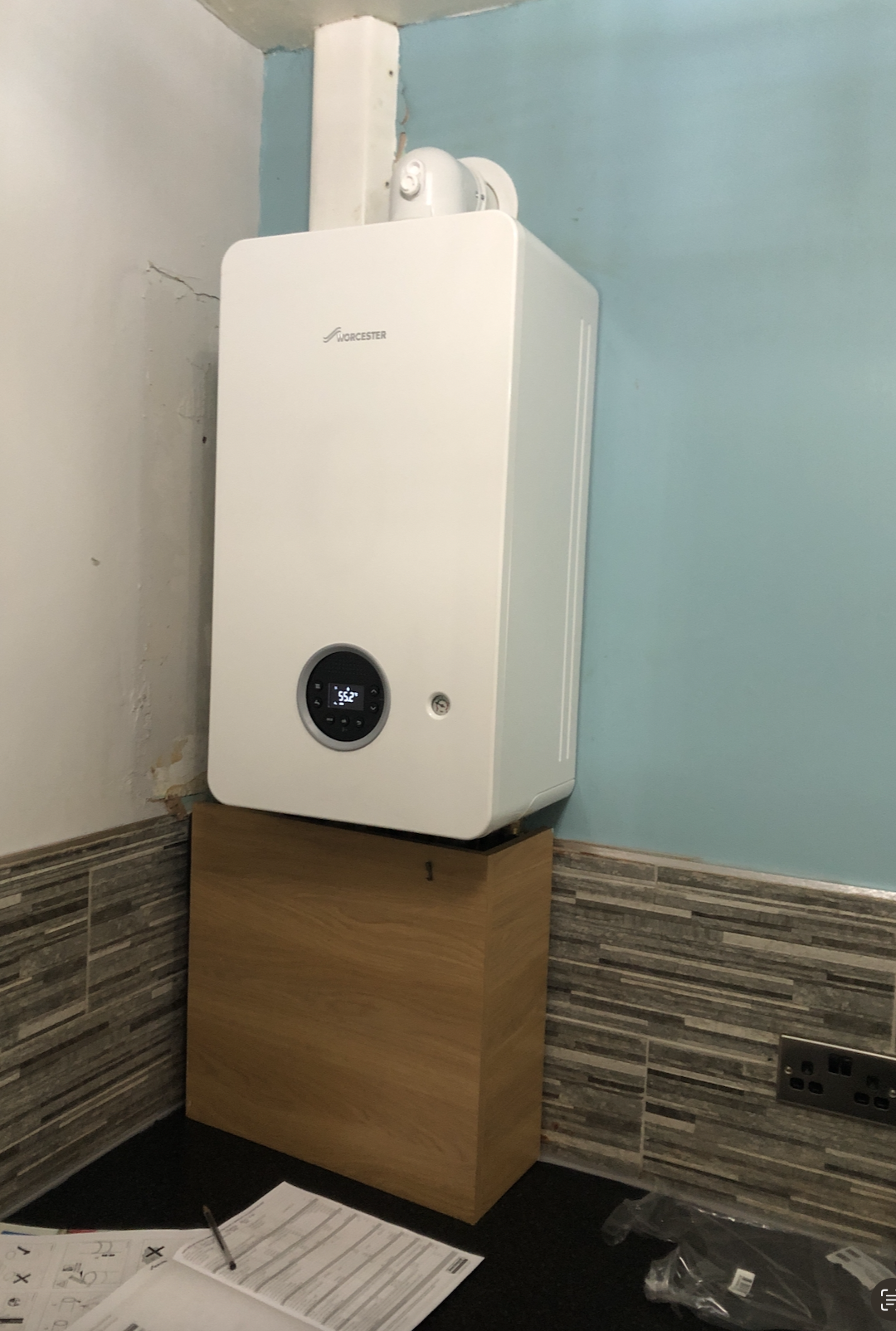
Most gas boilers should be serviced once a year by a Gas Safe registered engineer. That is the short answer. The slightly longer—and more useful—answer is that an annual service supports safe, reliable operation, may be required by your boiler warranty, and is not the same thing as waiting until something goes wrong.
A boiler can look perfectly content while quietly developing a problem. It does not necessarily send a polite warning first. An annual service gives a qualified engineer the opportunity to inspect the appliance, check how it is operating and identify concerns before the coldest week of the year decides to make them obvious.
How often should a gas boiler be serviced?
For a typical domestic gas boiler, arrange a service every 12 months. The Health and Safety Executive (HSE) strongly advises homeowners to have gas appliances, flues and pipework regularly maintained and serviced at least annually by a Gas Safe registered engineer. Major boiler manufacturers give similar guidance. Baxi recommends servicing at least annually, while Worcester Bosch says yearly servicing is a condition of its guarantee.
“Once a year” is easier to manage if you use the previous service date rather than waiting for the boiler to remind you. The engineer should complete the relevant service record, often found in the Benchmark section of the boiler paperwork. Keep that record with the user instructions and warranty documents.
This guide concentrates on gas boilers. Oil, LPG, electric boilers and heat pumps have different requirements and competent-person schemes, so follow the instructions for the appliance you actually own.
Is an annual boiler service a legal requirement?
For an owner-occupier, there is not a general law saying that your domestic gas boiler must receive a service on a particular date every year. However, the HSE strongly advises annual servicing, and the terms of a manufacturer’s warranty or guarantee may require it. Skipping a required service can therefore affect a later warranty claim.
Landlords have separate legal responsibilities. Under the Gas Safety (Installation and Use) Regulations, a landlord must arrange an annual gas safety check on relevant gas appliances and flues provided for tenants, using a Gas Safe registered engineer. Records must be kept and supplied to tenants in accordance with the rules.
There is a useful distinction here: an annual gas safety check and a boiler service are not simply two names for the same visit. The HSE’s landlord guidance says that a safety check alone may not satisfy the separate duty to maintain gas appliances, flues and pipework in a safe condition. A service can include maintenance work specified by the manufacturer that falls outside the basic safety check. Landlords should agree the scope with their engineer instead of assuming that one automatically includes the other.
Why service a boiler that seems to be working?
Safety
A gas boiler burns fuel, so safe combustion and removal of the products of combustion matter. During a service, the engineer checks the appliance against the manufacturer’s instructions and carries out appropriate safety and performance checks. This is not work to reproduce from an online checklist: opening the casing and working on gas components requires the right qualifications and equipment.
A carbon monoxide alarm is an important extra layer of protection, but it is not a substitute for correct installation, maintenance or servicing. Test and replace the alarm as its manufacturer directs.
Reliability
A service is an opportunity to find signs of deterioration, contamination, damaged seals or operating problems before they become a breakdown. It cannot guarantee that a component will never fail—no honest engineer can promise that—but it can reveal issues that would otherwise go unnoticed.
Warranty or guarantee conditions
Many manufacturer warranties require an annual service by a suitably registered engineer and evidence of that service. The exact wording and deadlines vary, so check the terms supplied with your model. Baxi, for example, tells owners to have the boiler serviced every year by a Gas Safe registered engineer and to retain service history. Worcester Bosch likewise states that yearly servicing is a condition of its guarantee.
Efficient operation
A service includes checks that the boiler is operating correctly. Maintenance may help the appliance continue to work as intended, but be wary of anyone promising a precise saving on your bill simply because a service has been completed. Energy use also depends on the home, controls, temperatures, hot-water use and the condition of the wider heating system.
What happens during a boiler service?
The exact procedure depends on the boiler’s make, model and condition. A competent engineer should follow the manufacturer’s servicing instructions rather than use one generic routine for every appliance.
Baxi’s homeowner guidance gives a helpful overview. It says a service begins with a visual check of the boiler and associated pipework, followed by checks of operation. The engineer then removes the casing and checks matters such as gas pressure and flow, the flue and combustion, electrical connections, seals, electrodes, the fan and safety devices. Components may be cleaned where the manufacturer’s instructions require it.
The engineer may also ask whether you have noticed fault codes, unusual noises, changes in pressure or intermittent hot water. Mention these even if the boiler behaves perfectly during the appointment. A five-second video of an intermittent noise or a photograph of a fault display can be more useful than trying to recreate the performance on demand.
A boiler service is principally about the appliance. It does not necessarily include repairing every radiator, balancing the entire system, cleaning system water or fixing unrelated controls. If you want a wider heating-system inspection, ask what is included when booking.
When is the best time of year to book?
There is no magic month. The important part is maintaining the yearly interval and meeting any warranty deadline. Many households choose spring or summer because the heating is under less pressure and they would rather discover a problem before winter. Booking outside the first cold spell may also make arranging a convenient appointment easier.
If your annual deadline falls in winter, do not postpone the service for months merely to reach summer. Book it when it is due, then ask the manufacturer or engineer how much flexibility your warranty terms allow before changing the annual date.
Does a new boiler need servicing after its first year?
Yes. New does not mean maintenance-free. If the manufacturer requires annual servicing, the first service normally needs to be completed around 12 months after installation and then yearly after that. Check the actual warranty terms because deadlines and acceptable evidence can differ.
Keep the completed Benchmark commissioning checklist from the installation as well as each later service record. Baxi identifies the completed checklist, warranty registration and annual servicing as conditions of its warranty. Paperwork is not exciting, admittedly, but it becomes considerably more interesting when you need to make a claim. Incredaboil customers will receive an annual email reminder when its due
What if you have missed a service?
Arrange one as soon as reasonably possible. Do not backdate records or assume that a late service restores warranty cover automatically. Contact the manufacturer if the boiler is under warranty and ask how the missed date affects your particular cover.
If you have moved into a property with no service history, an engineer can still service and assess the boiler. Tell them that the history is unknown and provide any manuals or records left at the property.
When should you not wait for the annual service?
An annual service is planned maintenance, not an emergency response. Arrange qualified help sooner if:
- the boiler repeatedly locks out or displays a fault;
- you see water leaking from the boiler or nearby pipework;
- there are new or persistent unusual noises;
- heating or hot water becomes unreliable;
- the flame appearance changes on an appliance where the flame is normally visible;
- you see soot, staining or signs of heat damage around an appliance or flue;
- a carbon monoxide alarm sounds; or
- you suspect a gas leak or unsafe appliance.
If you suspect a gas leak, do not treat it as a service-booking question. Avoid electrical switches and naked flames, open doors and windows, turn off the gas at the meter if you know how and can do so safely, and call the National Gas Emergency Service on 0800 111 999.
If a carbon monoxide alarm sounds or anyone may have symptoms, stop using the suspected appliance if it is safe to do so, go outside and seek medical advice. Call NHS 111 for possible symptoms, or 999 for severe symptoms such as difficulty breathing, sudden confusion, loss of consciousness, weakness, or chest or muscle pain. Do not return until you have received advice.
How do you choose the right engineer?
For a gas boiler, use a Gas Safe registered engineer who is qualified for the relevant type of work. Registration alone is not the whole check: an engineer’s Gas Safe ID card lists the categories of gas work they are competent to carry out. You can check a business or engineer through the Gas Safe Register and ask to see the card when they arrive.
When booking, give the make and model if you know it, mention any current fault code, and ask what the service includes. Afterwards, make sure the service record is completed and keep any report or invoice. If the engineer recommends further work, ask them to explain what they found in plain English and whether it is urgent, safety-related or advisory.
What can you safely do between services?
You do not need to become an apprentice heating engineer for the other 364 days of the year. Sensible household checks are enough:
- follow the boiler’s user instructions;
- look at the display for warnings or fault codes;
- notice persistent pressure changes, leaks or unusual noises;
- keep purpose-provided ventilation and the visible flue area unobstructed;
- test carbon monoxide alarms as their manufacturer instructs; and
- do not remove the boiler casing or attempt internal repairs.
If the manual permits a simple user action, such as restarting the boiler once, follow its wording exactly. If it locks out again, stop resetting it and arrange for the fault to be checked.
Frequently asked questions
Can I service my own boiler?
No. A homeowner can carry out only the user checks described in the appliance instructions. Servicing a gas boiler involves safety-critical checks and access to internal components, and should be carried out by a suitably qualified Gas Safe registered engineer.
Is a boiler service the same as a repair?
No. A routine service checks and maintains an operating appliance. A repair investigates and corrects a fault. If a fault or unsafe condition is found during a service, additional work, parts or another visit may be needed. Ask what is included before authorising it.
Will an annual service prevent every breakdown?
No. Components can still fail between visits. Servicing improves the opportunity to identify developing problems and maintain the boiler correctly, but it is not a guarantee against faults.
Do landlords need both a service and a gas safety certificate?
Landlords need the legally required annual gas safety check and must maintain supplied gas appliances, flues and pipework safely. Whether the work is completed in one visit or separate visits depends on the agreed scope. The HSE cautions that a safety check alone may not satisfy the maintenance duty, so make the requirements explicit when booking.
The simple rule
Put the boiler service in the calendar once a year, use a suitably qualified engineer and keep the record. If the appliance develops a fault or shows a safety warning in the meantime, deal with that when it happens rather than waiting for the service date.